Understanding How Today’s Children Process Information and Learn New Skills
Every generation grows up in a different environment, and that naturally shapes the way they think, communicate, and learn. Children from Generation Alpha — those born roughly between 2010 onwards are growing up in a world surrounded by technology, fast information, and digital interaction from an early age.
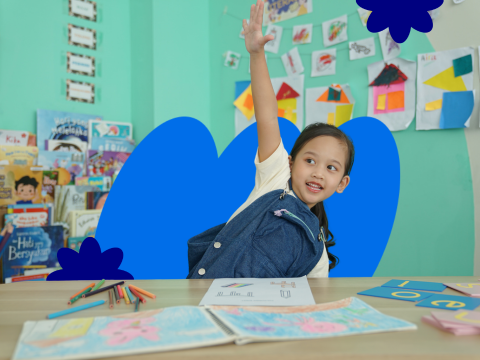
Because of this, Gen Alpha tends to learn differently compared to previous generations. Traditional learning methods that worked years ago may not always be as effective for today’s children. Parents and educators are now challenged to adapt learning experiences that are more interactive, engaging, and relevant to modern children’s needs.
Growing Up in a Digital World
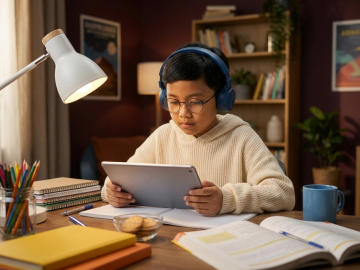
Unlike previous generations, Gen Alpha has been exposed to smartphones, tablets, YouTube, and social media since childhood. Technology is not something “new” for them — it is already part of their daily life.
As a result, many Gen Alpha children:
- Process information quickly
- Prefer visual and interactive content
- Learn through videos and experiences
- Get bored more easily with repetitive methods
- Are naturally curious and exploratory
This does not mean they cannot focus, but they often need more engaging ways of learning to stay interested.
Learning Through Interaction, Not Just Memorization
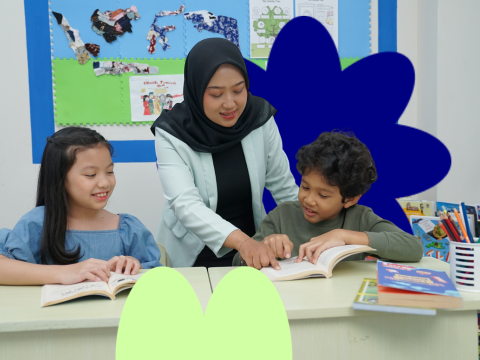
Previous generations were more familiar with learning through repetition and memorization. Meanwhile, Gen Alpha children tend to respond better when learning feels interactive and meaningful.
They often learn best through:
- Discussions and conversations
- Games and interactive activities
- Visual storytelling
- Hands-on experiences
- Creative problem solving
For example, children may understand English faster when they actively use it in conversations, roleplay, or presentations instead of only memorizing vocabulary lists.
Shorter Attention Span, Higher Curiosity
One of the biggest challenges today is maintaining children’s attention. With constant exposure to fast-moving digital content, Gen Alpha children are used to receiving stimulation quickly.
However, behind that shorter attention span is often a high level of curiosity. They enjoy discovering new things, asking questions, and exploring topics they find interesting.
This is why learning environments today need to be:
- More dynamic
- Interactive
- Personalized
- Emotionally engaging
Children are more likely to stay motivated when they feel involved in the learning process.
Emotional Connection Matters More
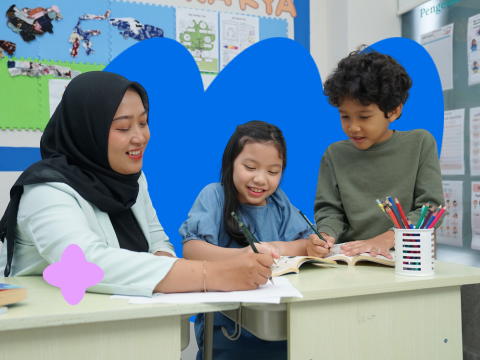
Gen Alpha children also tend to value emotional connection and positive communication. They respond better to encouragement, collaboration, and supportive environments compared to fear-based learning approaches.
Teachers and parents who:
- Listen actively
- Encourage exploration
- Appreciate effort
- Create safe learning spaces
often help children become more confident and willing to participate.
Confidence plays a huge role in modern learning, especially when developing communication skills like speaking English or public speaking.
Future Skills Are Becoming More Important
Today, success is no longer only about academic scores. Gen Alpha is growing up in a world where creativity, communication, adaptability, and critical thinking are becoming essential skills.
This is why modern learning increasingly focuses on:
- Communication skills
- Collaboration
- Creativity
- Problem solving
- Confidence building
Children today need more than knowledge — they need the ability to express ideas and adapt to a fast-changing world.
Final Thoughts
Gen Alpha learns differently because they are growing up in a completely different environment from previous generations. Technology, fast access to information, and digital interaction have shaped the way they absorb knowledge and communicate.
Rather than comparing children today with older generations, parents and educators can focus on understanding how they learn best. By creating engaging, supportive, and interactive learning experiences, children can develop not only academically, but also emotionally and socially.
The goal is not simply to make children smarter — but to help them become confident learners who are ready for the future.
-M. Fandi